

Finding a beautician who truly suits you can be surprisingly difficult. And I don’t mean the “I’ll just go to the closest one and be done with it” approach. I mean for those of us who are a bit perfectionist, a little OCD, and want to be sure that we know exactly what’s happening to our face. I’m the kind of person who lies on the treatment bed thinking: “Why is she touching me like that right now? Is she cleansing correctly? And what did she just put on my skin?!”
Yes. That’s me.
Over the years, I’ve tried salons, freelancers, recommendations, luxury studios… and the payments went like 100 € here, 200 € there. Not because I didn’t know what to do with money, but because I wanted to find the kind of skincare I could trust long-term. Something that makes sense, has structure, and actually works.
Skincare isn’t just “apply something, squeeze something, give a massage.” It’s hygiene, technique, knowledge, sensitivity, and precision. In short: not everyone holding tweezers is automatically a beautician.
And then I found L:A Lab SKNN in Bali.
As always when I try a new place, I had that familiar, slightly anxious chihuahua energy. It doesn’t matter how many treatments I’ve had before. A new pair of hands on my face always makes me a bit tense. But here, the feeling disappeared almost instantly. The way the space was prepared, the cleanliness, the consultation, the gentleness of the first touch. It was clear immediately: they know what they’re doing.
From that moment on, I knew I could just relax.

How to Tell if a Beautician Knows What They’re Doing
When it comes to professional skincare, I use a simple rule: not everything has to be perfect, but certain fundamentals should always be part of the process, along with a few extra touches that take the experience to the next level. And, of course, there might be clear red flags.
First, the must-haves — the non-negotiables.
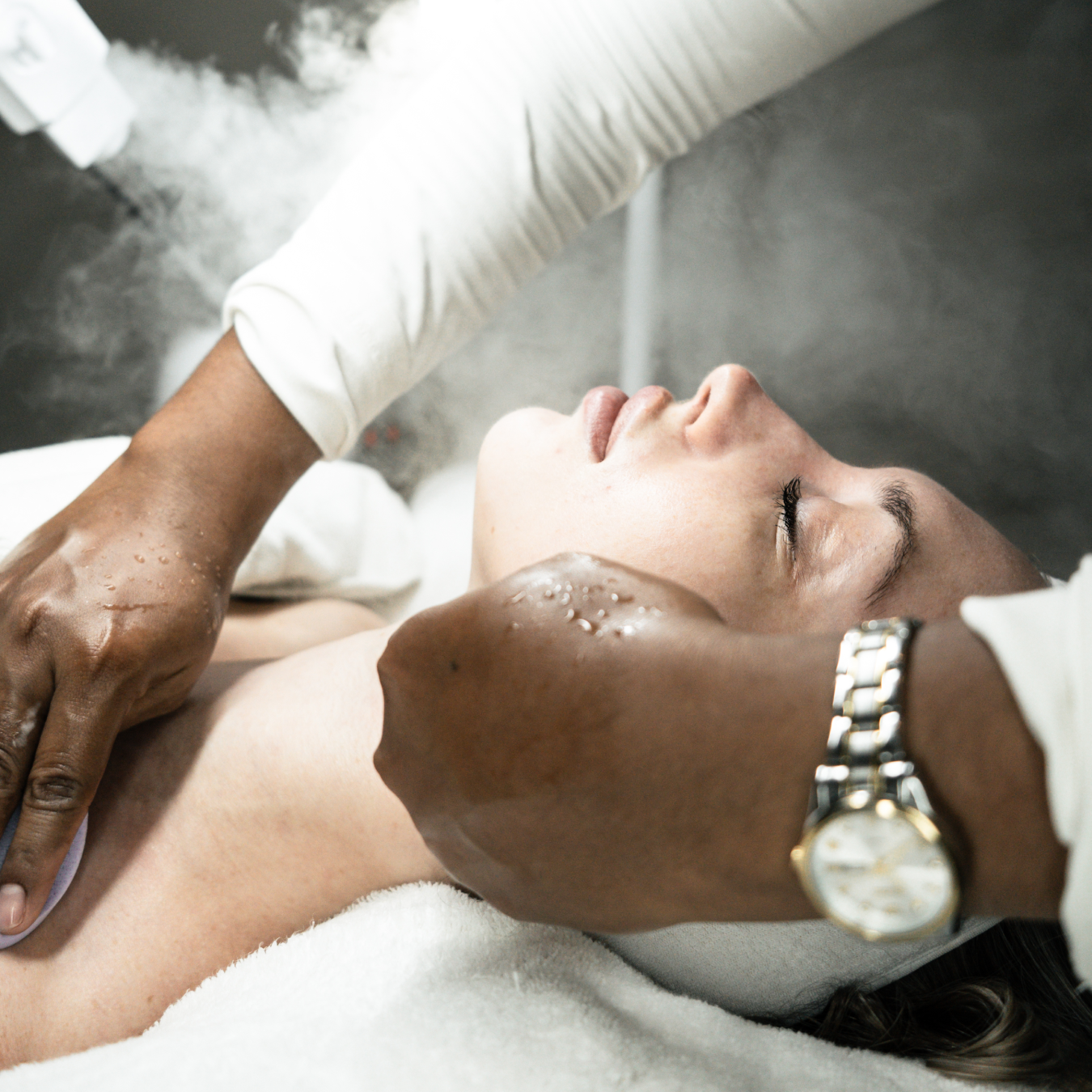
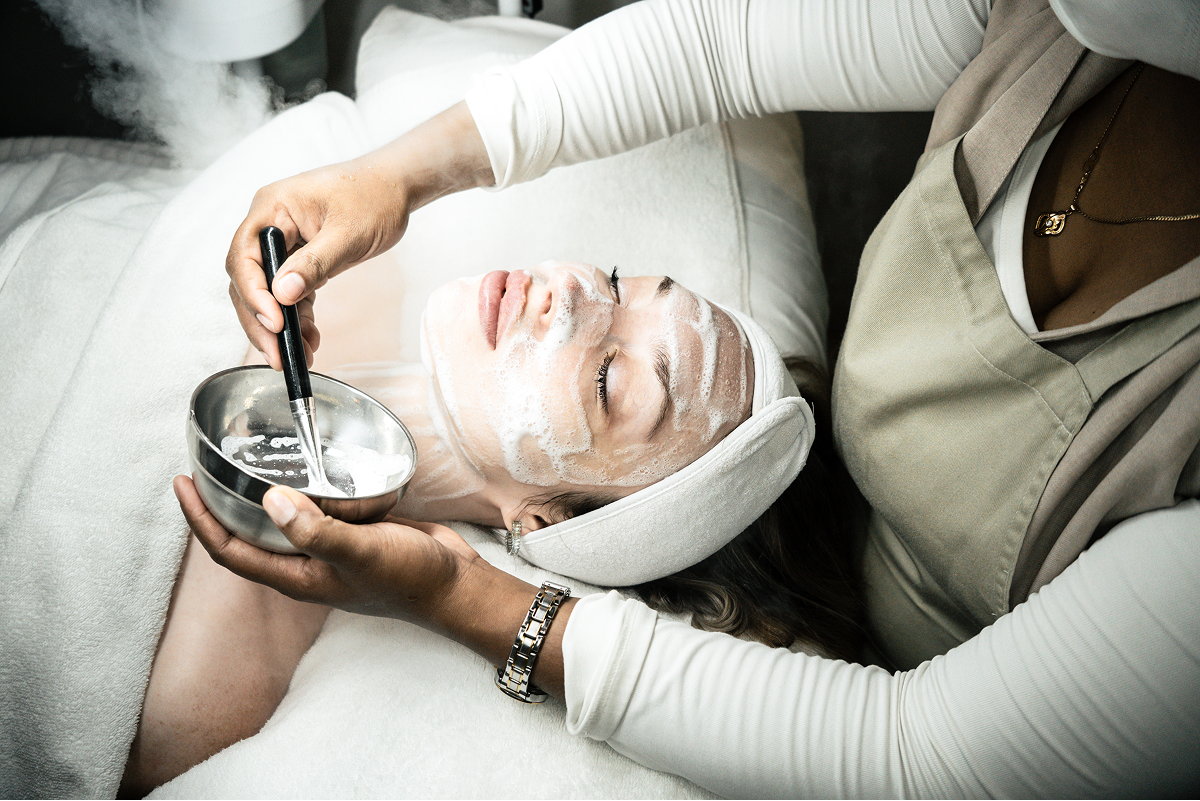
A good treatment always begins with double cleansing. The first cleanse removes SPF, makeup, and oil; the second goes deeper to prepare the skin for everything that follows. Then comes exfoliation, ideally something gentle like an enzyme peel, which smooths the skin and helps clear the pores without irritating. There should also be at least some level of manual extraction. It doesn’t have to be aggressive or painful, but skipping extraction completely often means that the treatment is more “surface-level pampering” than a true skincare. Products used afterward, masks, serums, moisturizers, should be chosen individually based on your skin’s needs, not automatically. And the treatment should always, always end with SPF. Without it, the benefits of the session fade quickly.
Then there are the nice-to-haves.
These elevate the treatment from “good” to “amazing,” but they’re not mandatory. Hydrafacial is great for deep yet hydrating cleansing; Gua Sha relaxes facial tension and supports lymphatic drainage; radiofrequency or ultrasound can help with firmness and collagen stimulation; LED therapy enhances regeneration; and a cooling massage at the end feels like heaven. None of these need to be present, but when they are chosen thoughtfully and applied well, you feel the difference.
And finally — the red flags.
If the treatment feels the same for every client, that’s not individualized care. If there is no extraction at all, yet the service is marketed as deep cleansing, that’s a sign to walk away. If the beautician doesn’t ask about your skin concerns or routine, they don’t have the information they need to treat you properly. Lack of hygiene or tool disinfection is a dealbreaker. And if the session ends without SPF, that’s a clear signal that essential skincare principles are being ignored.
In short: Good skincare has structure. It starts with proper cleansing, moves into treatment, and finishes with protection. The right beautician can adapt each step to your skin, and that’s what makes the results last.
And the Bonus I Didn’t Expect
At L:A Lab SKNN, they didn’t just treat my skin — they treated me.
Before the treatment, I was welcomed with a collagen drink, which instantly amazed me. And after everything was finished, they brought fresh coconut water, as if saying: your care continues even after you leave the bed.
I was also asked to fill out a detailed skin and treatment questionnaire, where they explained exactly what ingredients to stop using before the appointment and why. It felt personal, thoughtful, and genuinely focused on skin health, not just the treatment itself.
And after the facial, they gave me clear aftercare instructions to protect the results — keep the skin hydrated, avoid sun exposure and sweating for 24–48 hours, and pause strong actives like retinol or acids for a few days. Simple, realistic, and actually helpful.
Those are the kinds of details that tell you:
This place doesn’t just perform a service. It cares.