

Introduction
You’ve probably heard about “gut health” a lot—yoga teachers, wellness influencers, even your doctor mention it. But what is the microbiome, and why should you care? If you get this right, you’ll see better digestion, stronger immunity, more stable mood and energy. So let’s break it down, simply.
What Is the Microbiome
Think of your gut microbiome as a bustling city of microbes (bacteria, fungi, etc.) living mostly in your intestines. These little citizens help you with so many things. First off, they break down certain foods (especially fiber) that your body can’t digest alone. Then they make helpful substances that protect the gut lining and reduce inflammation, which in turn supports your immune system. Last, but not least, they influence mood and stress since your gut and brain are in constant communication. If this community becomes unbalanced (dysbiosis), you may notice digestive issues, more frequent infections, mood swings, or even weight changes.
The Building Blocks: Prebiotics, Probiotics, Synbiotics
Before we get onto the food hacks, we need to understand what helps build and maintain a happy microbial community. We can separate those into three building blocks:
- Probiotics: These are live “good” microbes you can eat (in fermented foods or supplements) that add helpful bacteria to your gut.
- Prebiotics: Think of these as food for those good microbes—special fibers found in plants that they love.
- Synbiotics: These pair prebiotics and probiotics together—a kind of teamwork between feeding and adding good microbes.
Using all three in your routine helps more than relying on just one.
What to Eat for a Healthy Microbiome
There are a couple of types of foods which are really good for the gut, and luckily, they don’t even need to be expensive! This is what you might want to consider:
- Fermented foods: These bring live beneficial bacteria (“probiotics”) into your gut. Examples globally include yoghurt, kefir, miso, kimchi, and sauerkraut.
- Traditional Indonesian ferments: Think tempeh, dadiah (a fermented milk from West Sumatra), tauco, oncom etc. These are excellent local sources of fermentation and culture.
- High-fiber plants: Legumes (beans, lentils), whole grains (brown rice, oats), vegetables, fruits, tubers (sweet potato, yam). These are the “prebiotic” foods that feed good bacteria.
- Polyphenols and natural compounds: Spices, herbs (turmeric, ginger, galangal, etc.), certain teas, colourful fruits. They don’t only feed microbes, but help reduce inflammation and promote a good environment in the gut.
Everyday Gut-Health Food Tips
If you include those foods in your diet, your gut will thank you for it! However, we still need to think about how we eat them. Here are few tips to really get the most out of them:
- Pair fermented + fibrous: A meal that has both fermented food and fibre gives you both live bacteria and the food they need to grow. Eg: tempeh with veggies and rice.
- Rotate your ferment types: Don’t rely on just one. Try different ferments from different sources — dairy, legumes, and vegetables. Each brings slightly different microbes.
- Start slow: If you’re not used to fermented or high-fiber foods, introducing them suddenly can cause gas or bloating. Build up gradually, introducing small doses of 2-3 new types of food a week and including them in your regular diet.
- Mind how food is processed: Heat, pasteurisation, and over-cooking can kill good bacteria. For example, choose yoghurt with “live & active cultures,” use raw fermented vegetable mixes, and avoid over-heating ferments.
- Use local & seasonal: Local ferments tend to have microbes adapted to your region; seasonal produce tends to have fresher fibres & nutrients. Plus, it supports sustainability.
Conclusion
In the end, healthy gut food choices aren’t about perfection—they’re about consistency. Every time you eat a fibre-rich vegetable, fermented food, or have a turmeric shot, it adds up. Think of your microbiome as a garden: it thrives when you plant varied seeds, water it regularly, and protect it from the weeds. When you feed it well, and support it with a healthy lifestyle (regular sleep, movement, and less stress), it rewards you with smoother digestion, steadier mood, stronger immunity, and energy you can really feel.
But in reality, food is only part of the picture. Your environment and daily habits have just as much influence on your gut. Chronic stress, lack of sleep, and constant overstimulation can easily disrupt the gut–brain axis, affecting digestion and overall balance.
That’s why spaces that combine nutritious food, calm atmosphere, and mindful living naturally support a healthier microbiome. One example of this holistic approach is ZIN Café Canggu — part of ZIN Resort & Villas, near the beach in Bali.
Here, nourishment extends beyond the plate: the café is surrounded by lush greenery and connected to a co-working space, spa, fitness studio, and pool — all designed to restore both body and mind. The menu reflects this same philosophy, focusing on whole, minimally processed ingredients and vibrant, gut-friendly combinations.
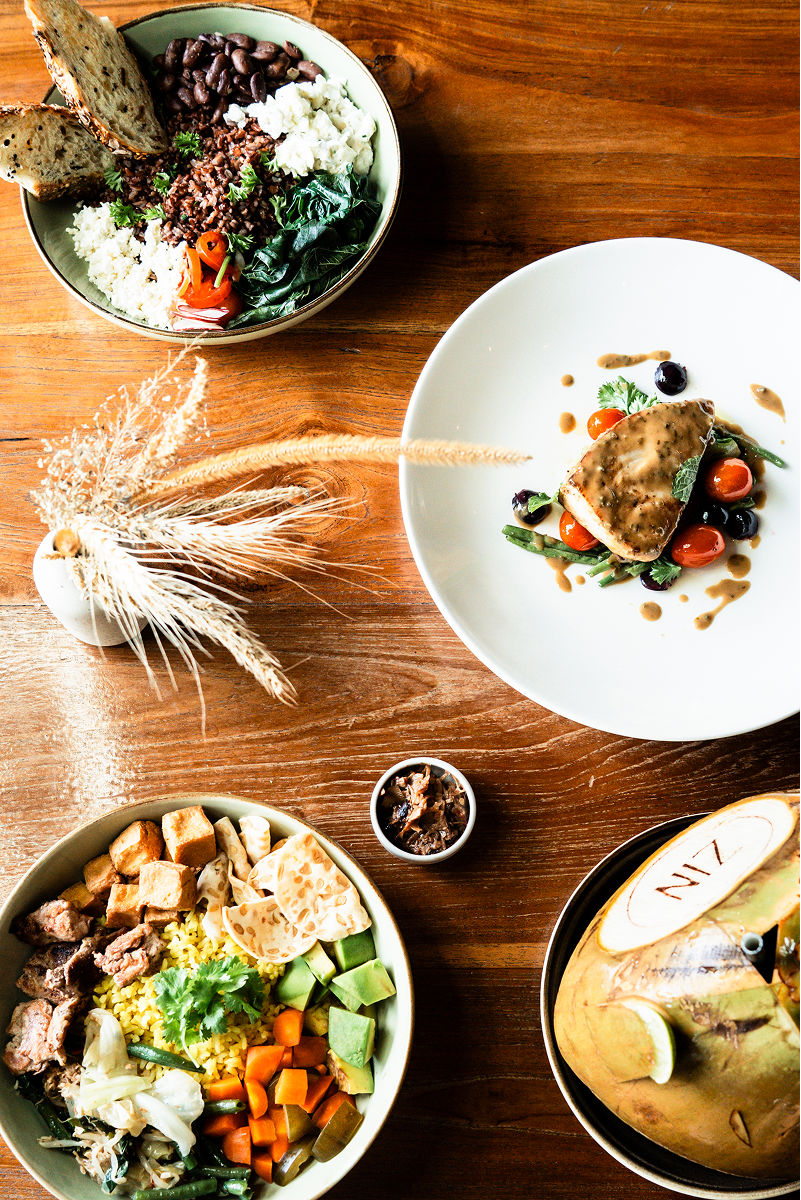
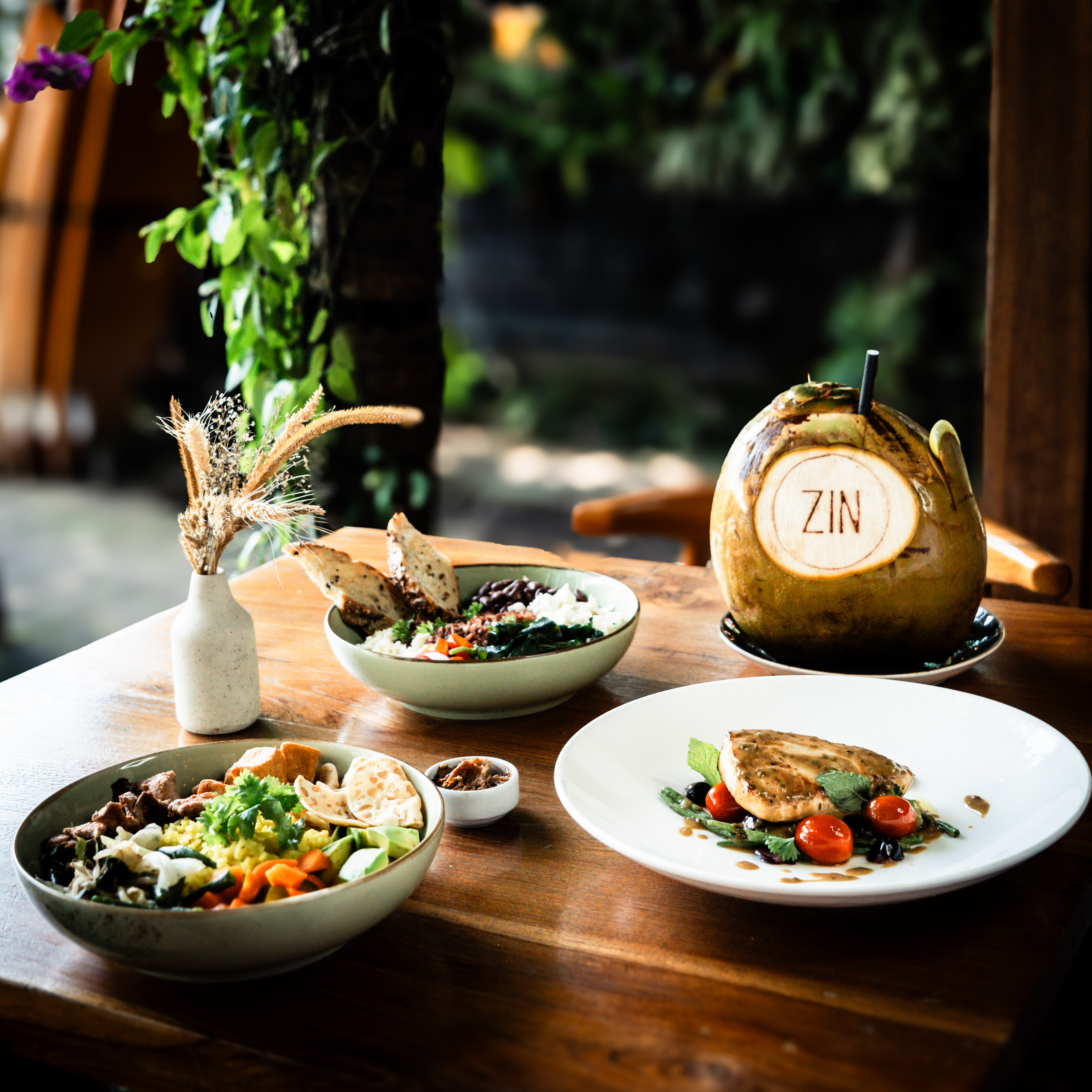
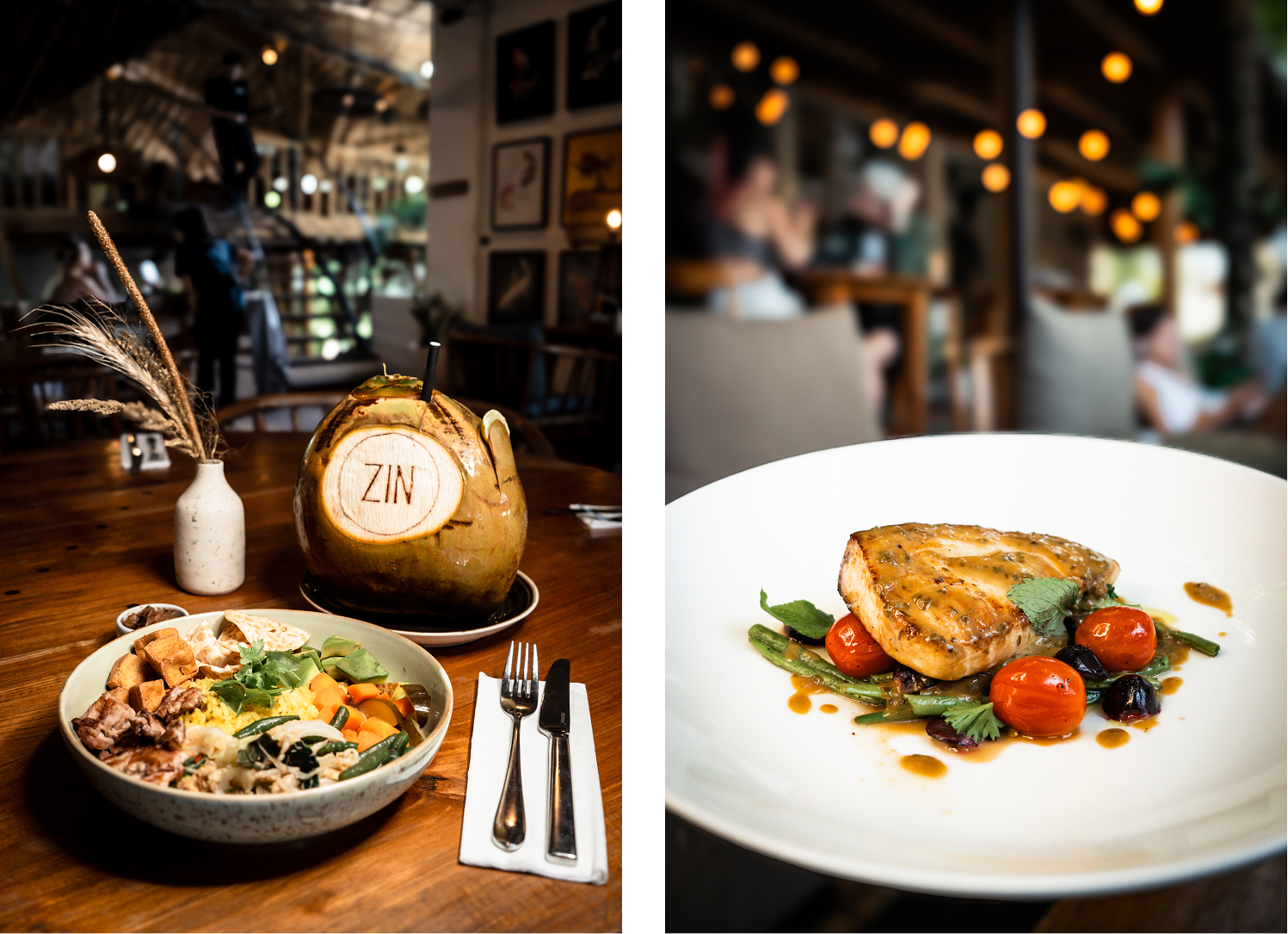
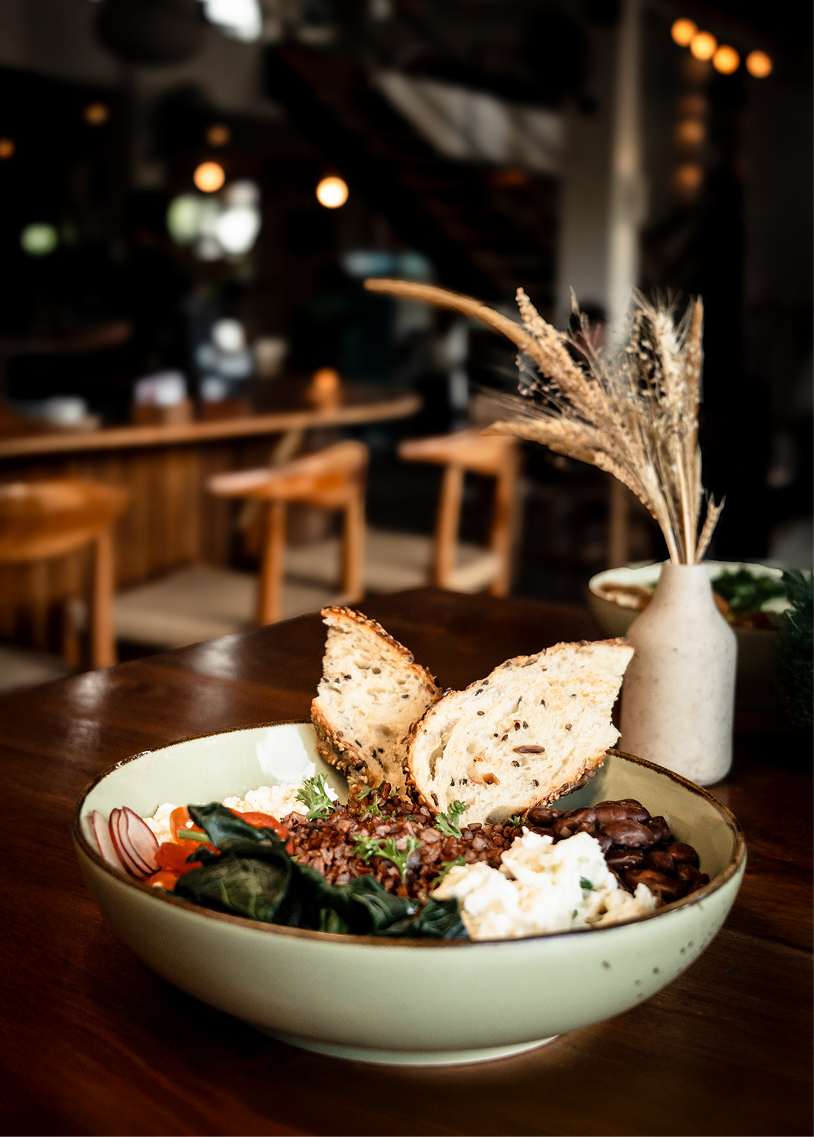
Meals such as the Power Brekky — with egg white scramble, black beans, red rice, spinach, cottage cheese, and multigrain bread — or the Balinese Chicken Bowl, featuring yellow Balinese rice, chicken sate bites, urab salad, tofu, tempeh, ginger torch sambal, and avocado, show how easily prebiotic fibres and probiotic-rich ferments can coexist on one plate.
The Catch of the Day, served with green beans, cherry tomatoes, and herb sauce, brings omega-3 fats and antioxidants that calm inflammation, while the fresh coconut — carved in ZIN’s signature style — captures the café’s love for natural simplicity and hydration.
Together, these meals represent more than just healthy eating — they embody a lifestyle that nourishes the gut through both what we eat and how we live. At ZIN, the connection between nutrition, movement, calm, and community naturally creates the conditions where the microbiome — and the body as a whole — can thrive.